

Introducing Road Construction Equipment and Tools
Every road you drive on started with the right combination of road construction equipment working in sequence — from clearing the land to laying the final layer of asphalt. Road construction machinery has changed a lot over the past few years. GPS-guided grading, sensor-based compaction and automated paving controls have made highway construction equipment faster, safer and more accurate than it was even five years ago.
Whether you are a contractor comparing road construction equipment manufacturers, an engineering student researching equipment used in road construction, or a site supervisor looking for road maintenance equipment for an ongoing project, this guide covers the ten machines that form the backbone of any road construction or highway construction project, plus a quick-reference list, buying pointers and answers to the questions people ask most often.
We manufacture several of the machines mentioned below at our facility in Ahmedabad, so this list is written from direct manufacturing and field experience, not just desk research.
Top 10 Road Construction Machines and Their Uses
1. Compactors
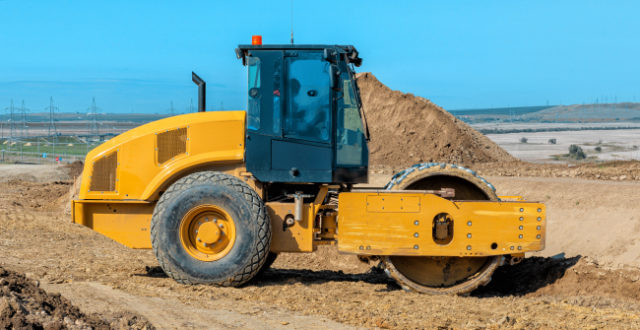
Compactors are used to press down soil, asphalt or concrete so that the road base does not have air voids that lead to cracks or sinking later. This is one of the first machines used at the start of any road construction or road maintenance project. Newer compactor models come with GPS tracking, automated steering and sensor feedback, so operators can see compaction density in real time instead of guessing by the number of passes.
2. Asphalt Pavers
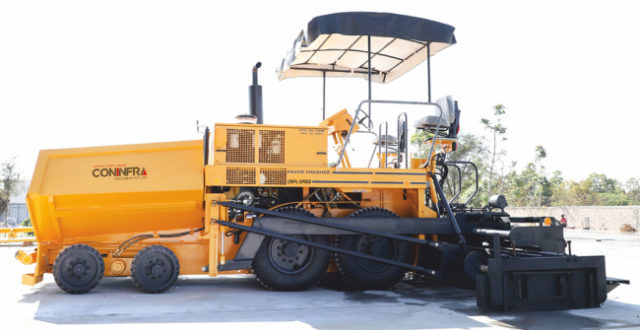
An asphalt paver lays hot-mix asphalt evenly across the road surface at a set thickness and width. It is one of the most important pieces of road building equipment on a highway job because uneven paving leads to potholes and premature wear. Modern pavers use temperature sensors and material-flow controls, which keep the mix consistent even on long, continuous stretches of highway.
3. Bulldozers
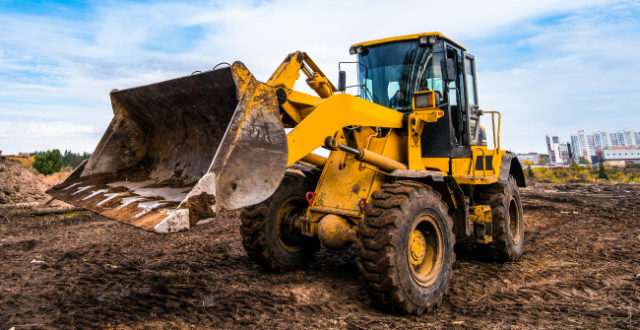
Bulldozers clear vegetation, debris and uneven soil before any road work equipment can move in. They are also used to push large volumes of earth during grading. Current models include GPS-based site mapping and blade automation, which cuts down the amount of manual correction needed during site preparation.
4. Excavators
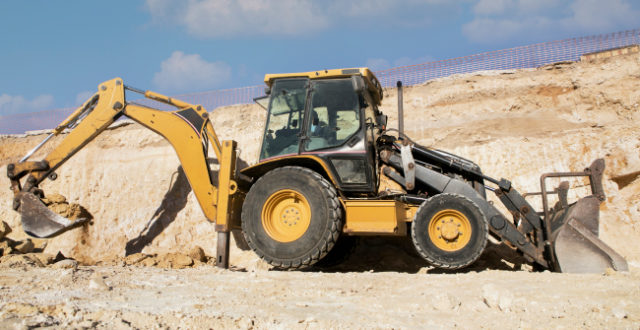
Excavators are used for digging trenches for drainage, removing rock and obstacles, and lifting heavy material. As far as road digging machines go, excavators are the most versatile — many newer units offer camera-assisted control and remote diagnostics, which is useful on tight urban sites where visibility is limited.
5. Motor Graders
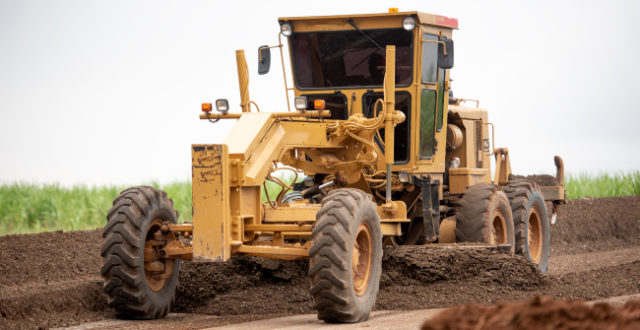
A motor grader levels and shapes the subgrade before paving starts, and it is also used for maintaining gravel or unpaved roads. Laser and GPS-guided grading systems in current models let operators hit slope and camber tolerances that used to take several passes to achieve manually.
6. Rollers
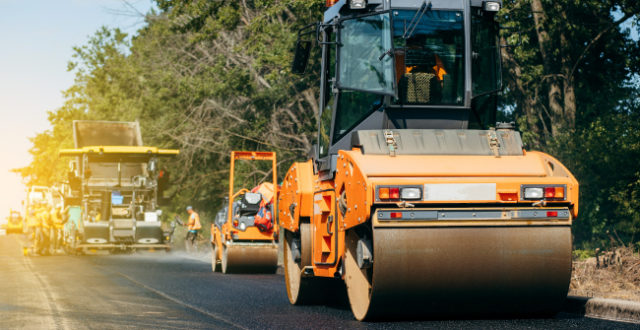
Rollers compact freshly laid asphalt or concrete so the surface holds up under traffic load over time. Vibratory rollers with intelligent compaction monitoring now give operators live feedback, so they stop rolling once the required density is reached instead of over-compacting, which can actually weaken the surface.
7. Road Sweepers
Once paving or repair work is done, road sweepers clear dust, loose aggregate and debris from the surface. This step matters more than people realise — leftover debris affects how well road markings and surface treatments bond. Newer sweepers include dust suppression systems and higher-capacity vacuums for faster turnaround.
8. Concrete Mixers
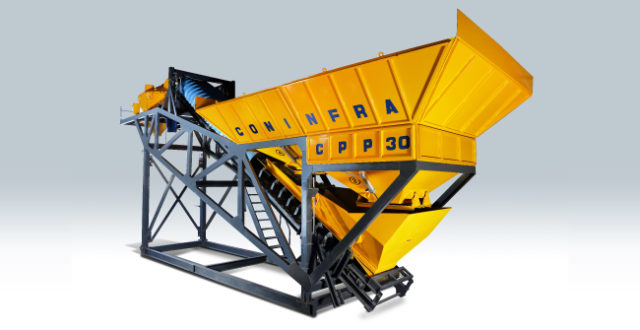
Concrete mixers combine cement, sand, aggregate and water into a batch used for rigid pavement, culverts and structural work along the highway. Digital weighing and batch tracking in current mixers help maintain a consistent mix ratio across large pours, which is important for concrete road construction equipment used on national highway projects.
9. Asphalt Recycling Equipment
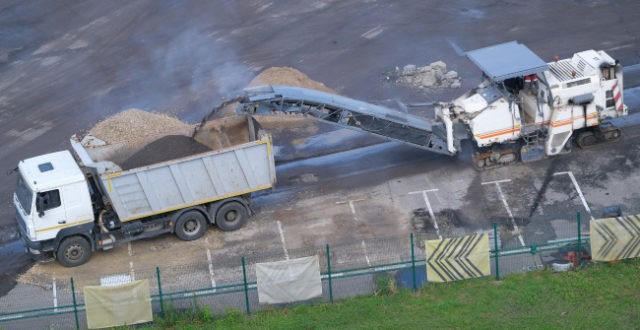
This equipment reclaims old asphalt (often called RAP — reclaimed asphalt pavement) and reuses it in new mixes. Some systems can recycle a very high percentage of old pavement material, which cuts material cost and reduces the amount of fresh aggregate a project needs — a practical answer for contractors asking about sustainable road construction technology.
10. Hydraulic Broomer
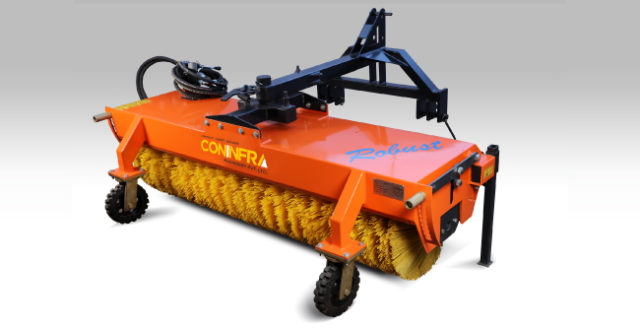
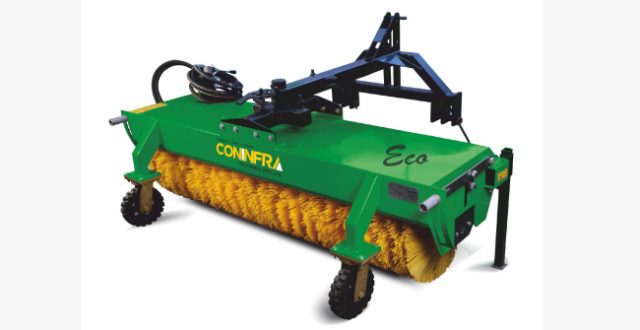
A hydraulic broomer clears fine dust and loose material from the road surface right before paving, tack coat application, or road marking. Adjustable broom angles and dust suppression features make this one of the more underrated tools for road construction — poor surface prep is a common reason bitumen layers fail to bond properly.
Other Road Construction Machines You Should Know
Beyond the top 10, a few more machines show up regularly on road and highway projects and are worth covering here:
- Bitumen Pressure Distributor — sprays bitumen evenly for tack and prime coats before the asphalt layer goes down. Uneven spraying is a common cause of layer separation later.
- Road Marking Machine — applies thermoplastic or paint-based lane markings after the road surface is finished. This step is regulated under road safety norms in most states.
- Wet Mix Macadam (WMM) Plant — prepares the granular sub-base layer that sits under the bituminous layers on most highway projects.
- Concrete/Asphalt Batching Plant — produces the bulk material (concrete or asphalt mix) that feeds pavers and mixers on larger projects. This is separate from the mixer or paver itself and is usually a fixed or semi-mobile plant.
How to Choose the Right Road Construction Equipment
People searching for road construction equipment suppliers or manufacturers are usually trying to answer one of these questions:
- What’s the project scale? A city road resurfacing job and a national highway project don’t need the same size of paver, plant or compactor. Match capacity to actual daily output needs, not the largest machine available.
- Buy or rent? For a one-off or short-duration project, renting road construction machinery often works out cheaper. Contractors with recurring highway or municipal contracts usually find ownership pays off faster.
- After-sales support matters as much as the machine. Spare parts availability, service turnaround and operator training from the manufacturer affect uptime more than most people expect before they’ve run a machine for a season.
- Check compliance and safety features. Emission norms, operator cabin safety and load ratings vary by state and by project type (municipal vs. national highway), so confirm these before finalising a supplier.
A Note on Safety and Maintenance
Road construction equipment operates around heavy loads, moving traffic and, often, other workers on foot — so a few basics are worth repeating even though they get overlooked on busy sites:
- Daily pre-use checks (hydraulic lines, brakes, warning lights) catch most breakdowns before they become safety incidents.
- Operators should be trained specifically on the machine they’re running — a roller operator and a paver operator need different certifications.
- Scheduled maintenance (not just breakdown repair) is what keeps compaction and grading tolerances accurate over the life of the machine.
Final Thoughts
Road construction equipment today runs on a mix of mechanical strength and digital precision — GPS grading, sensor-based compaction and automated paving controls have all become standard rather than optional. But the fundamentals haven’t changed: the right machine, used correctly and maintained on schedule, is still what decides whether a road holds up for the next fifteen years or needs repair in three.
Picking the right equipment isn’t just about specifications on a brochure — it’s about matching the machine to the project, the terrain and the team running it.
About Coninfra Machinery Pvt. Ltd.
Coninfra Machinery Pvt. Ltd. manufactures road construction and asphalt equipment out of Ahmedabad, Gujarat, and supplies contractors and government projects across India. Our range includes asphalt batch mix plants, pavers, hydraulic broomers, bitumen pressure distributors, wet mix macadam plants and road marking machines, built and serviced by our own engineering team rather than outsourced.
For road construction equipment tools built for Indian site conditions, reach out to us:
Mail Us: sales@coninfra.in
Contact Us: +91 90999 41311
FAQs
1. What are the essential machines used in road construction?
The core group includes bulldozers, excavators, motor graders, compactors, asphalt pavers and rollers. Each one handles a specific stage — clearing, grading, compacting or paving — and skipping or under-sizing any one of them usually shows up as a defect in the finished road later.
2. What is the difference between road construction equipment and road maintenance equipment?
Road construction equipment (pavers, mixers, bulldozers) builds a new road from the ground up. Road maintenance equipment (patchers, smaller rollers, sweepers, crack sealers) repairs and upkeeps roads that are already in use. Some machines, like compactors and sweepers, are used in both.
3. Which road construction machinery manufacturers should I check in India?
Look for manufacturers with an actual production facility (not just a trading setup), documented after-sales service and equipment that meets current emission and safety norms. Ahmedabad and Gujarat host several established road construction machinery manufacturers, including Coninfra, that also export internationally.
4. How has road construction technology changed in recent years?
GPS-guided grading and paving, sensor-based intelligent compaction, and higher-capacity asphalt recycling systems have become common on mid-to-large projects. These reduce rework and material waste, though smaller municipal projects still often rely on standard, non-automated equipment.
5. What tools are used specifically for asphalt road construction?
Asphalt-specific equipment includes the asphalt batch or drum mix plant (produces the mix), the paver (lays it), rollers (compact it), and the bitumen pressure distributor (applies tack/prime coats). A hydraulic broomer is used before paving to clean the surface so the asphalt bonds properly.
6. Is it better to buy or rent road construction equipment?
It depends on how often you’ll use it. Renting suits one-off or short-term projects and avoids maintenance overhead. Buying makes more sense if you have recurring contracts, since ownership cost per project drops significantly after the first few jobs and you control scheduling instead of waiting on rental availability.
