

If you run or maintain an asphalt batch mix plant, you already know how much a single worn part can cost you. A cracked mixing arm, a burnt-out blade, or a misaligned lining plate doesn’t just slow production down — it can throw off your mix quality and cost you a full day of output.
We’ve supplied asphalt plant components and wear parts to contractors and plant operators for years, and the questions we hear most often stay pretty consistent: What are the main parts of a batch mix plant? Which blade material lasts longest? How do you know when a mixing arm needs replacing? This guide covers the five components that matter most, how a batch mix plant actually operates, and where to look when you’re sourcing spares or planning an upgrade.
What Is an Asphalt Batch Mix Plant?
An asphalt batch mix plant produces hot mix asphalt (HMA) in fixed batches rather than a continuous stream, which is what separates it from a drum mix plant. Aggregates are dried, heated, screened by size, weighed, and then mixed with bitumen in a pugmill — one batch at a time. This batch-by-batch process gives operators tighter control over the final mix, which is why batch plants remain the standard choice for projects that demand consistent asphalt quality, like highways, airport runways, and municipal roadwork.
The 5 Core Components of a Batch Mix Plant
1. Cold Feed Bins and Aggregate Feeding System
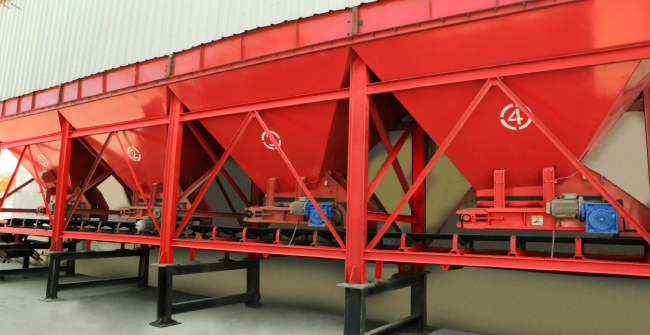
Production starts here. Cold feed bins hold different aggregate sizes — sand, stone chips, coarse aggregate — and feed them onto a conveyor at a controlled rate. Getting this ratio right at the very first step matters more than most people realize, because every downstream component is calibrated around what comes off this conveyor.
2. Dryer Drum
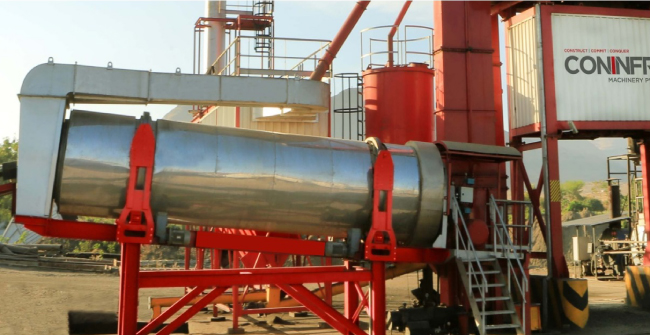
The dryer drum heats and dries the aggregate before it moves further into the process. It uses a burner (diesel, furnace oil, or gas depending on the plant setup) to bring the material to the temperature needed for proper bitumen coating. A dryer that isn’t performing correctly is one of the more common — and more expensive — causes of poor mix quality, since damp or unevenly heated aggregate won’t bond with bitumen the way it should.
3. Vibrating Screen and Hot Bins
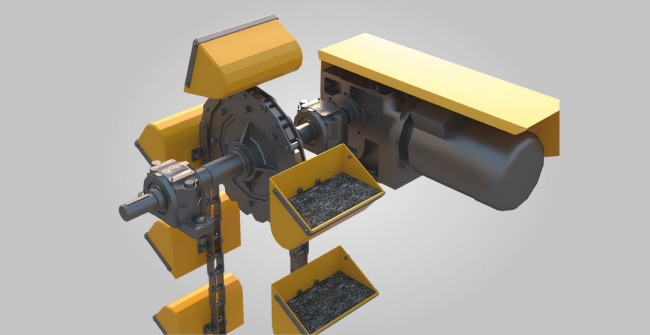
Once dried, the aggregate passes through a vibrating screen that sorts it into different size fractions, which then drop into individual hot bins. This is what allows the plant to pull an exact gradation for each batch instead of guessing at the mix.
4. Weighing and Mixing System (Pugmill)
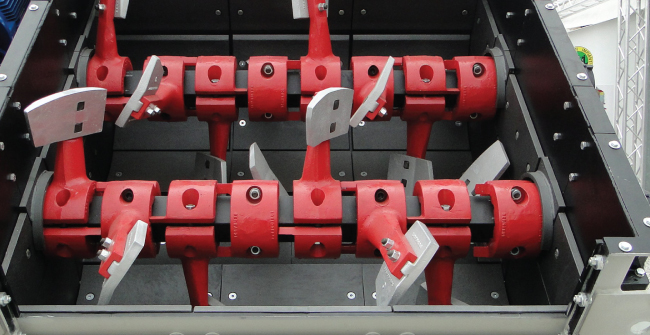
This is the heart of a batch mix plant. Aggregate from the hot bins, filler, and bitumen are each weighed precisely, then dropped into the pugmill — the mixing chamber — where mixing arms and blades combine everything into a uniform hot mix asphalt.
This is also where most of the wear and tear happens, and where the majority of the parts questions we field actually come from. A few of the components inside the pugmill deserve a closer look:
- Mixing arms take constant abrasive contact with hot aggregate and bitumen. Over time, they wear down, lose their shape, or crack, which directly affects how evenly the mix blends. Regular inspection and timely replacement of the mixing arm keeps batch consistency where it needs to be.
- Blades (the paddles mounted on the mixing arms) are usually the first thing to wear out because they take the most direct abrasive load. Blade material makes a real difference in service life — manganese steel blades handle impact and toughness well, while high-chrome blades resist abrasive wear better in high-silica aggregate conditions. Either can be a good choice depending on your aggregate type, mix temperature, and how hard your plant runs.
- Lining plates protect the inner walls of the pugmill from the same abrasive wear. A worn lining plate lets the mixing chamber degrade faster than it should, so replacing it before it fails saves you from a bigger repair down the line.
5. Bitumen Storage and Heating Tank
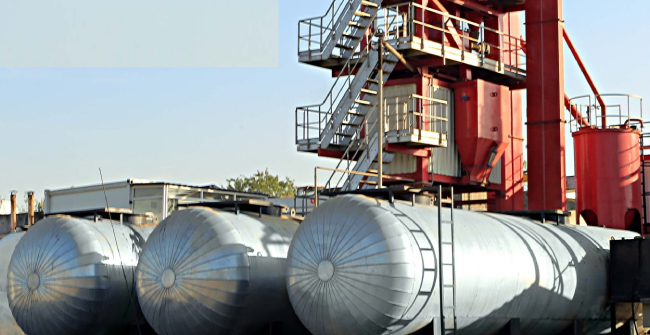
Bitumen has to be stored at a specific temperature to stay usable, and this tank keeps it heated and ready to be metered into the pugmill for each batch. Consistent bitumen temperature is one of the quieter factors behind a good final mix.
How an Asphalt Batch Mix Plant Operates, Step by Step
- Aggregates are loaded into cold feed bins and fed onto the conveyor in controlled proportions.
- The dryer drum heats the aggregate to remove moisture and bring it to mixing temperature.
- The vibrating screen sorts dried aggregate by size into separate hot bins.
- A weigh hopper pulls the exact quantity needed from each hot bin for one batch.
- Weighed aggregate, filler, and heated bitumen all drop into the pugmill together.
- Mixing arms and blades combine everything into a uniform hot mix asphalt batch.
- The finished batch discharges into a truck or storage silo, and the cycle repeats for the next batch.
Each cycle typically takes 45–60 seconds depending on plant capacity, which is why even a small mechanical issue in the pugmill can bottleneck the entire operation.
Choosing the Right Blades and Mixing Arms
This comes up often enough that it’s worth addressing directly. A few practical points:
- Manganese steel blades are a solid default — tough, impact-resistant, and reliable for general aggregate work.
- High-chrome blades hold up better against fine, sharp, or highly abrasive aggregate, and tend to outlast manganese in those conditions, though they’re more brittle under heavy impact.
- Blade and lining plate life also depends heavily on operating temperature. Running consistently at high mix temperatures accelerates wear on any material, so matching the part to your actual operating conditions matters more than chasing the “best” material on paper.
- Mixing arms should be inspected on a routine schedule, not just when output quality drops — by the time you notice a problem in the finished mix, the part has usually already been worn for a while.
If you’re sourcing replacement parts, look for suppliers who can match wear parts to your specific plant model and aggregate conditions rather than offering one blade type for every setup — asphalt plant components aren’t universally interchangeable, and a mismatched part will wear out faster or fit poorly.
Batch Mix Plant vs. Drum Mix Plant
A question we see often enough to answer directly: batch mix plants produce asphalt in discrete, precisely weighed batches, giving better control over mix design and consistency — better suited to projects with strict specification requirements. Drum mix plants run continuously, which generally means higher output but somewhat less precise control over the exact mix ratio batch to batch. Most contractors working on public infrastructure and highway projects lean toward batch plants for this reason.
Maintaining Your Plant for Longer Component Life
A few habits go a long way toward extending the life of your plant’s wear parts:
- Inspect mixing arms and blades on a fixed schedule rather than waiting for visible output problems.
- Keep bitumen temperature within the recommended range — overheating accelerates wear across the whole pugmill, not just the blades.
- Replace lining plates before they wear through completely; a failing lining plate can damage the pugmill housing itself, which is a far costlier repair.
- Source spares that are built for your specific plant model. Generic parts often mean shortened service life or poor fit.
Frequently Asked Questions
1. What are the main components of an asphalt batch mix plant?
The core components are the cold feed bins, dryer drum, vibrating screen with hot bins, the weighing and mixing system (pugmill with mixing arms, blades, and lining plates), and the bitumen storage and heating tank.
2. How does a batch mix plant differ from a drum mix plant?
A batch plant mixes aggregate and bitumen in individual weighed batches for tighter quality control, while a drum plant mixes continuously for higher throughput.
3. Which blade material lasts longer in an asphalt batching plant?
It depends on your aggregate and operating conditions. Manganese steel handles impact well; high-chrome resists abrasive wear better with fine or sharp aggregate. Neither is universally “better” — it’s a fit question.
4. How often should mixing arms and blades be inspected?
On a fixed maintenance schedule rather than reactively. Wear typically shows up in mix quality only after the part has already degraded significantly, so routine inspection catches it earlier.
